Wang Chuqin‘s experiences in 2025 reveal a story of resilience marked by significant mistakes that showcased both his strengths and weaknesses. His challenges stemmed from external factors, mental toughness, and tactical adaptability rather than just talent. Key issues included equipment failures, difficulties with changing conditions, tactical inflexibility, and physical and mental fatigue. Analyzing these mistakes offers important insights into the complexities of professional table tennis and the need for comprehensive preparation.
Equipment Failures and Their Impact on Performance
In professional table tennis, the precision of equipment is paramount. A minor mishap can drastically alter the course of a match, especially in high-stakes tournaments like the World Championships. Wang Chuqin’s 2025 season provides a stark illustration of this reality, exemplified by a notorious incident involving equipment failure at the Doha Championships. Such setbacks remind us how vital reliable gear is and how even the best players can be thwarted unexpectedly.
The rubber peel-off incident at the World Championships
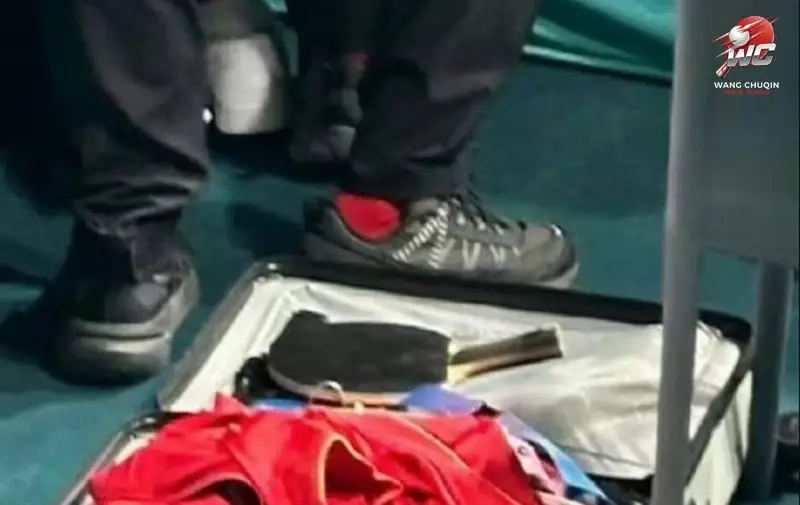
Minutes before Wang Chuqin’s critical mixed doubles match at the 2025 World Table Tennis Championships in Doha, his main racket rubber started peeling off. The sudden loss of grip and control forced him to switch to a backup racket in the middle of a high-pressure context. In the fast-paced world of professional table tennis, where every second counts, this moment was a blow to Wang’s rhythm and confidence. Equipment mishaps like this—though seemingly minor—can create a ripple of tension, forcing players into reactive rather than proactive states. Wang’s frustration was evident, and his coach’s concern about mishandling or improper maintenance underscored how delicate the equipment ecosystem truly is.
Despite the setback, Wang managed to continue competing, which speaks to his resilience. However, this incident serves as a stark reminder of how important meticulous gear management and equipment preparation are for elite athletes. Small issues, if not addressed beforehand, can snowball into larger problems that influence performance and mindset.

Consequences of equipment mishaps on match momentum
The immediate fallout from such equipment failures often involves a loss of momentum, as players must recalibrate on the fly. For Wang Chuqin, the rubber peel-off disrupted not only his grip but also his confidence. In high-level matches, any slip can be exploited, especially when opponents are quick to capitalize on an opponent’s frustration or technical distress.
Moreover, equipment problems can lead players to alter their natural playing style—sometimes strategically, sometimes involuntarily. Wang, known for his aggressive forehand and tactical finesse, had to switch rackets under pressure, which likely suppressed some of his attacking instincts. Over time, repeated equipment issues can erode a player’s trust in their gear and, by extension, their confidence, ultimately leading to suboptimal decision-making and tactical errors.
Adaptation Difficulties to New Play Conditions
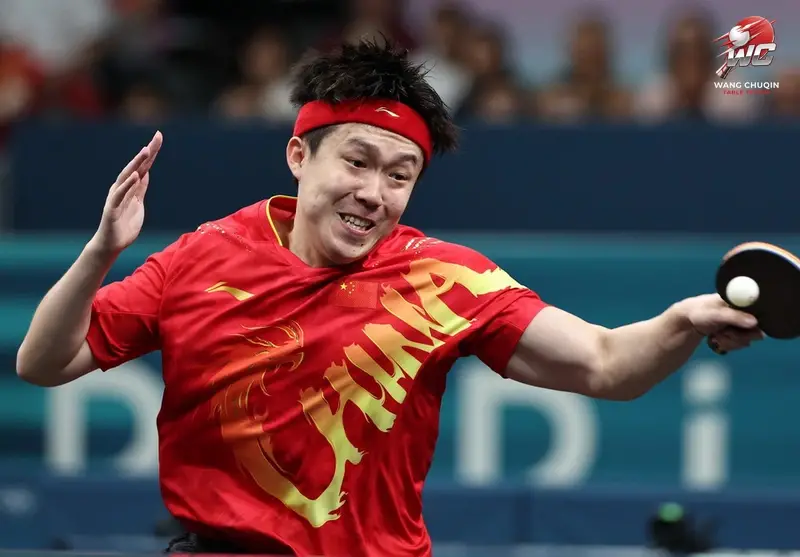
The dynamic environment of professional table tennis demands quick adaptation to varying conditions—textures, balls, tables, and even climate factors. Wang Chuqin’s struggles in 2025 with adapting to new play conditions illuminate some of the broader challenges athletes face in a sport constantly evolving. Particularly, the switch to lighter, less spin-capable balls with more erratic bounces tested Wang’s flexibility and tactical planning.
Challenges posed by the seamless ball in tournaments
In certain tournaments throughout 2025, players faced the seamless ball—a innovation designed to enhance speed and reduce noise but which came with its own set of challenges. Lighter with less spin, these balls react differently, especially on quick exchanges, making it difficult for players to execute their usual strategies. Wang, who relies on heavy spin and potent forehands, found his rhythm disrupted by this change.
The lighter weight and altered bounce characteristics not only affected Wang’s offensive game but also his ability to read opponent spins. This situation demanded a recalibration of techniques that Wang was slow to develop fully, highlighting the importance of adaptable training regimes that prepare players for equipment nuances.
Effects of lighter, less spin-capable balls on Wang’s playing style
Wang’s traditional playstyle incorporates heavy top-spin shots, precise placement, and controlled aggression. The transition to the seamless ball, therefore, posed a significant tactical challenge. His usual tactics became less effective, and he struggled to generate the same level of spin and speed within limited time frames.
This adjustment process revealed a vulnerability: physically and tactically, Wang had less margin for error with lesser-spinning balls. His reliance on power rather than finesse became a disadvantage, forcing him into longer rallies and less favorable positions. This change underscored the need for continuous innovation and a flexible playing style—traits that Wang was initially slow to embrace.
Tactical Rigidity and Match Strategy Shortcomings
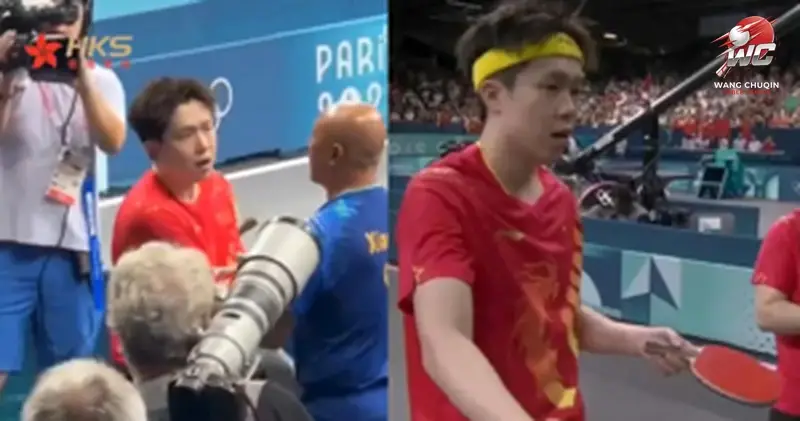
One of the critical lessons from Wang Chuqin’s 2025 mistakes is the danger of tactical rigidity. In high-stakes matches, opponents often neutralize a star player’s signature style, and failure to adapt promptly can be exploited. Wang occasionally rushed into his best offensive moves without sufficient tactical adjustments, exposing vulnerabilities that better-prepared adversaries exploited.
Rushing into his signature third-ball attack prematurely
Wang’s aggressive third-ball attack has been a hallmark of his gameplay, but during some key moments in 2025, he resorted to it too quickly. This tendency reflects a psychological pattern where a player defaults to familiar strategies under pressure. However, opponents may study film and prepare specific countermeasures, neutralizing his attack and forcing Wang into less comfortable rally patterns.
This over-reliance also indicated a lack of patience and tactical diversity. When the third-ball attack was neutralized, Wang failed to adjust his tactics, leading to missed opportunities and unnecessary risks. A more disciplined approach, with varied serve and receive tactics, could have increased his resilience.
Lack of tactical flexibility when opponents neutralized his strengths
In even more challenging situations, Wang was unable to pivot effectively after his core strengths were neutralized. For top players, tactical flexibility is often what sets legends apart from one-hit wonders. Wang’s occasional stubbornness in sticking to his preferred style highlighted a limitation in his strategic thinking.
When opponents prepared specific plans against Wang’s powerful strokes, he sometimes failed to employ alternative spins, placement changes, or serve variations. This rigidity allowed opponents to gain control early in rallies, turning the tide of matches and leading to unnecessary losses.
Implications of impatience and failure to adapt mid-match
Impulsiveness and impatience, especially when Wang’s game was being thwarted, resulted in hurried shots and poor shot selection. Instead of calmly analyzing the situation and altering his tactics, he rushed to regain dominance through his usual offensive moves. This approach often led to unforced errors and a loss of composure, especially under pressure.
By not fully embracing in-match adaptability—such as adjusting serve placement or employing feints—Wang missed chances to turn matches around, highlighting the importance of mental flexibility alongside tactical versatility.
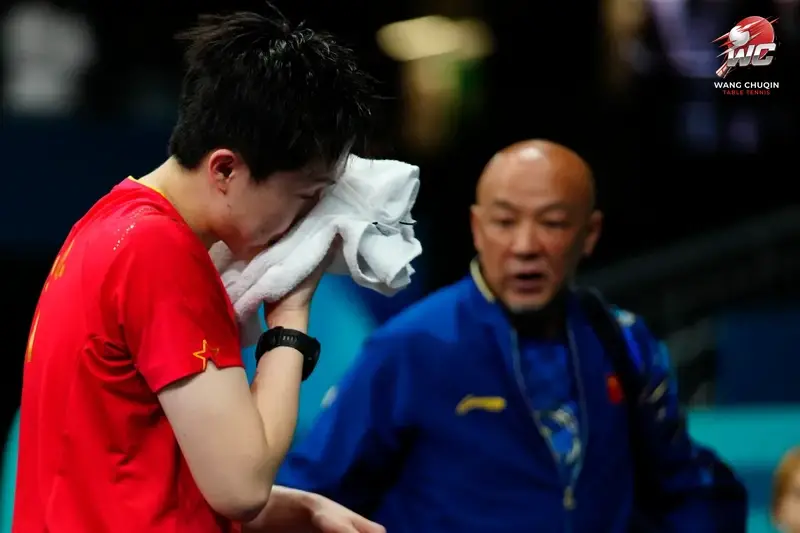
Physical and Mental Fatigue as a Limiting Factor
The demanding schedule of professional table tennis, combined with intense training and strained coaching relationships, took a toll on Wang’s physical and mental well-being in 2025. Fatigue, for top athletes, can be a silent enemy, gradually undermining performance and decision-making.
The toll of intense training regimes in 2025
Wang’s rigorous training routines, designed to maximize strength, endurance, and skills, pushed his physical limits. While necessary for maintaining top-tier performance, excessive training without adequate recovery can lead to burnout. Signs of fatigue appeared during critical moments, with Wang showing some discomfort and reduced agility.
This physical exhaustion not only impacts shot precision but also hampers mental sharpness—both vital in tactical decision-making and handling high-pressure situations. It became increasingly apparent that balancing training loads with recovery periods was crucial for sustained success.
Signs of fatigue during crucial matches
In the latter part of 2025, Wang’s performance visibly declined during crucial matches. He exhibited signs of mental strain—such as impatience, hurried shots, and hesitation. These are typical indicators of fatigue setting in, especially when compounded by the stress of intense competition.
Fatigue can also affect reactions and anticipation, leading to tactical errors and lapses in judgment. For Wang, this meant that despite his talent, his ability to perform under pressure was diminished, underscoring the importance of physical and mental health management.
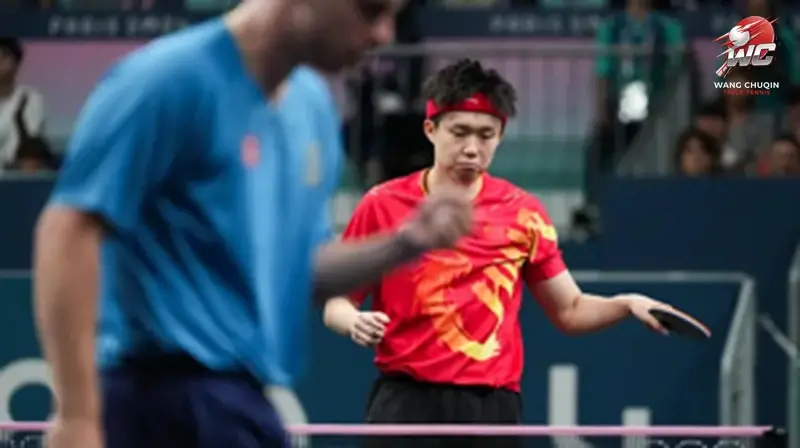
Wang Chuqin’s key mistakes in 2025 stemmed from both external obstacles and personal limitations. Equipment issues highlighted the need for better management, while struggles with new playing conditions emphasized the importance of continuous technique innovation. His tactical rigidity and impatience made him vulnerable to opponents with more flexible strategies. Additionally, physical and mental fatigue hindered consistent performance. Recognizing these challenges provides valuable insights for Wang and others aiming for success in a constantly changing sport. Future improvements could include more adaptable strategies, a focus on recovery, and embracing advanced equipment technology to avoid similar mistakes.
More match trends, metrics and evaluations are available in the Stats & Analysis section.
