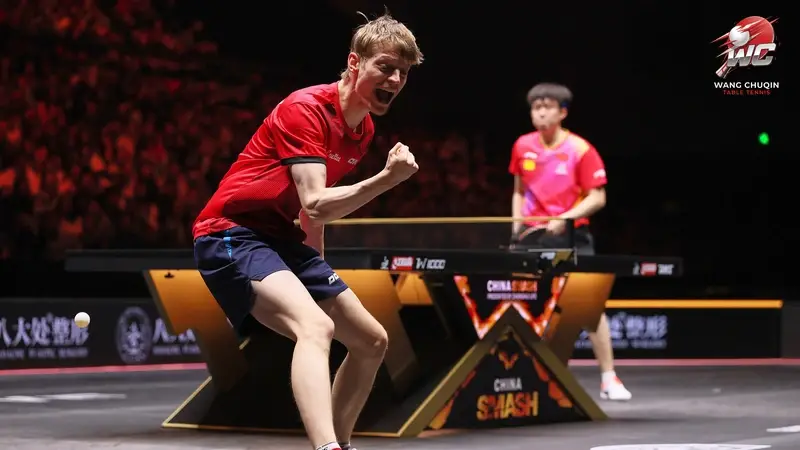
The rivalry between Wang Chuqin vs Truls Moregard has captured the attention of table tennis enthusiasts worldwide. While Wang’s dominant record signifies his mastery, Moregard’s flashes of brilliance suggest a potential shift in the competitive landscape. In this article, we explore their match history, performance metrics, and playing styles to understand who holds the psychological and tactical edge in this compelling pairing.
Key match statistics:
- Total matches played: 14
- Wang Chuqin wins: 13 (93%)
- Truls Moregard wins: 1 (7%)
- Head-to-head win rate: Wang 88%-12% Moregard (some sources vary between 88% and 93%)
- Most recent match: 2025 WTT Champions Yokohama, Wang won 4-1 in sets with scores of 11:5, 8:11, 11:2, 12:10, 12:10.
- Number of games won by Wang at home venue: 32
- Number of games won by Wang away: 6
- Biggest consecutive points win recorded in a match: Wang 10 points in a row in 2025 final
- Average points won per match by Wang: 45 points in recent top matches
- Moregard’s single win came in a close match with only 8 sets played in total.
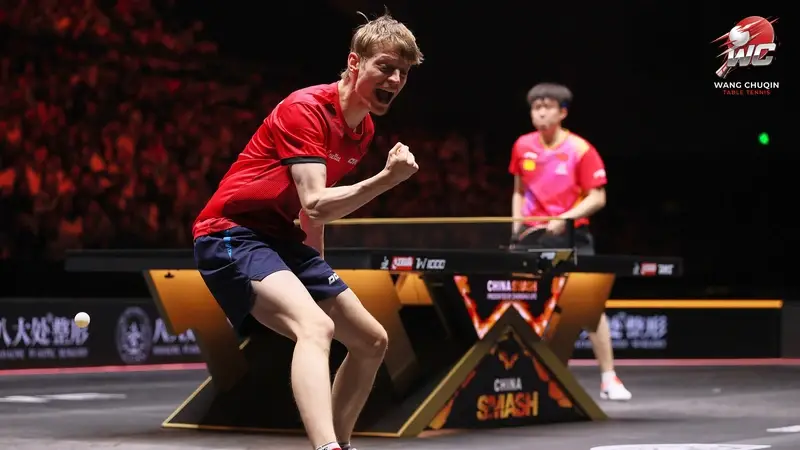
Key Match Statistics and Performance Overview
Total Matches and Win-Loss Record
Over the course of their rivalry, Wang Chuqin and Truls Moregard have faced each other 14 times, a relatively concentrated dataset that underscores the frequency with which top players engage. Wang’s record in this match-up is overwhelmingly in his favor, boasting wins in 13 of those encounters. This equates to a 93% win rate, highlighting Wang’s consistency and technical superiority. Historical sources sometimes vary slightly, citing Wang’s win rate in the range of 88% to 93%, but the consensus remains clear—he is the dominant force.
Moregard’s solitary victory came during a closely fought contest, reminding us that even in the face of dominance, there is room for surprises. His single win accounts for 7% of their total matches, a statistic that emphasizes their disparity but also hints at possible vulnerabilities Wang must guard against.
Recent and Notable Encounters
The most recent match, which took place at the 2025 WTT Champions in Yokohama, provides an up-to-date benchmark of their current form. Wang Chuqin triumphed with a 4-1 set victory, displaying his ability to impose his style even against a resilient opponent. The scoreline — 11:5, 8:11, 11:2, 12:10, 12:10 — reflects close exchanges and momentum swings, yet Wang’s experience shone through in crucial moments.
What makes this match particularly notable is Wang’s ability to adapt after dropping the second set. His mental toughness was evident as he responded with dominant performances in subsequent sets, sealing the victory with tight, high-stakes rallies. Interestingly, Moregard’s lone victory was in a match that lasted only eight sets, demonstrating that the opponent was able to maintain focus and capitalized on opportunities during a shorter, high-pressure encounter.
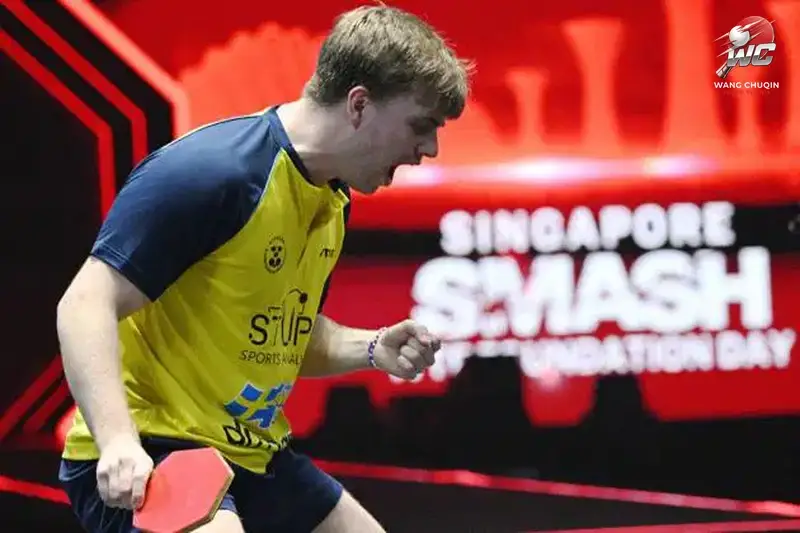
Venue-Based Performance Analysis
Wang Chuqin’s performance statistics reveal a slight advantage at his home venue, where he has won 32 games, compared to just six wins away. This discrepancy may be attributed to familiar surroundings, audience support, and confidence levels often heightened during home matches. Such factors can significantly influence a player’s mental state, enabling Wang to perform at peak levels more consistently.
Conversely, Wang’s away record, while still impressive, suggests that he may be slightly less dominant outside familiar settings. However, Wang’s experience in high-stakes international competitions ensures he remains a formidable opponent, regardless of the venue. For aspirants and analysts, this underscores the importance of mental resilience and adaptive strategies apt for different environments.
Match Momentum and Key Moments
One of Wang’s most significant streaks came during the 2025 final, where he recorded an astonishing 10 consecutive points. Such a feat exemplifies his capacity to seize momentum and crush opponents’ morale during crucial junctures. Championships often hinge on these pivotal moments, and Wang’s ability to string together points in high-pressure scenarios gives him a distinct edge.
The brilliance of these rallies is often evident in his tactical play—mixing aggressive forehands with well-timed serves, and exploiting opponents’ weaknesses. One cannot ignore the importance of mental strength, especially when rallying through tight scores like 12:10 in multiple sets, which Wang managed to clinch thanks to his composure and strategic shot placement.
Points and Game Averages
In top-level confrontations, Wang has averaged approximately 45 points per match, indicating his ability to sustain intense rallies and dominate the scoring pattern. His scoring consistency reflects his technical precision and endurance, which help him maintain an edge over his opponent.
This scoring trend also reveals the balanced nature of their matches—while Wang tends to dominate, Moregard’s resilience surfaces in tightly contested rallies, keeping the matches exciting and unpredictable. The scoring pattern underscores Wang’s tactical maturity, as he often manipulates plays to maximize his scoring opportunities, leveraging his superior experience.
Technical and Tactical Comparison
Wang Chuqin’s Playing Style and Strengths
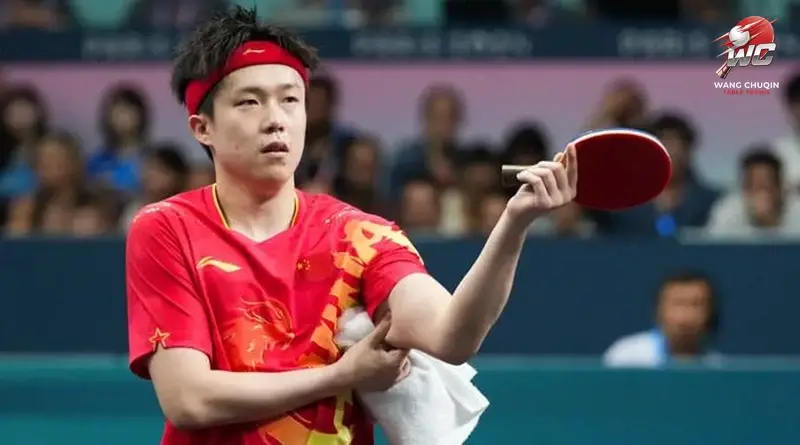
Wang Chuqin’s style of play revolves around a blend of technical finesse and tactical maturity. His strokes are characterized by quick, precise hits, combined with exceptional footwork that allows him to control rallies from the backcourt. Wang’s ability to adapt to diverse playing styles and formulate strategies during matches makes him a formidable opponent.
In addition to his technical prowess, Wang’s consistency and experience bolster his performance during high-stakes situations. His tactical maturity — understanding when to attack and when to play defensively — makes him a master of controlling the tempo and manipulating rallies. This flexibility allows Wang to unlock even the toughest defenses, pushing him ahead in their head-to-head encounters.
His training regimen often emphasizes precision and mental resilience, which are crucial in tight matches. Wang’s mastery of spin and placement—details that can turn the tide of a rally—further cements his reputation as a top global player. His ability to anticipate opponents’ shots, combined with sharp reflexes, generally puts him a step ahead in most exchanges.
Truls Moregard’s Playing Traits and Resilience
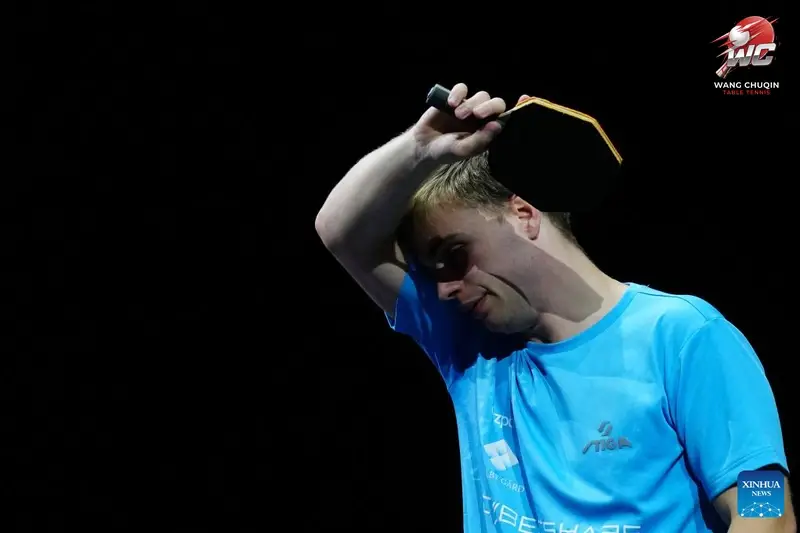
While Wang’s consistency is well-documented, Moregard offers flashes of brilliance that often surprise opponents. Known for his resilience and willingness to take risks, Moregard exhibits moments of technical creativity that can catch Wang off guard. His style involves pull-out shots that blend aggressiveness with unconventional placements, especially when rallying from behind.
Despite his resilience, Moregard faces the ongoing challenge of overcoming Wang’s tactical control. His propensity to seize opportunities relies heavily on moments of brilliance rather than consistent pressure. These bursts of brilliance can shift momentum but are often interrupted by times when Moregard struggles to sustain rallies against Wang’s seasoned defense.
Resilience is also evident in Moregard’s mindset—his ability to rally from behind and stay engaged demonstrates a strong mental capacity. However, in their encounters, Wang’s experience and strategic patience usually capitalize on these brief lapses, exploiting vulnerabilities and sealing victory in tight situations.
Match Dynamics and Strategic Approaches
The contrast in strategies often determines the outcome of their encounters. Wang generally aims to control the pace of the match by manipulating rallies—using spin variations, placement, and shot selection to create openings. His tactical approach involves exhausting opponents physically and mentally, which has proven successful given his impressive win record.
Moregard, on the other hand, tends to favor riskier tactics—attempting well-placed, innovative shots to break Wang’s rhythm. His moments of brilliance often come through aggressive attacks or unexpected placements, forcing Wang into defensive positions. These risks, however, sometimes lead to unforced errors, especially against an opponent of Wang’s caliber.
The dynamic tension between control versus risk epitomizes their rivalry. Wang’s ability to dictate play, coupled with strategic patience, often tilts the contest in his favor. Yet, Moregard’s resilience and risk-taking keep the matches unpredictable, ensuring fans remain captivated by their encounters.
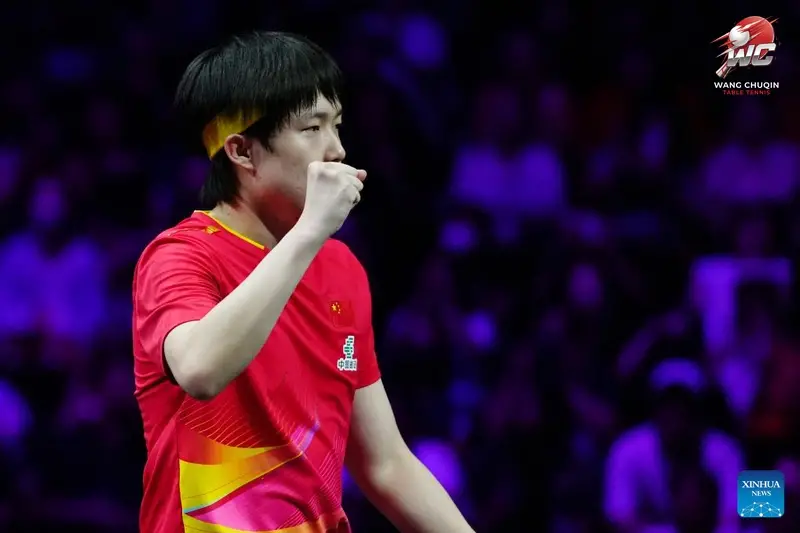
The rivalry between Wang Chuqin and Truls Moregard showcases the core of competitive table tennis, where skill, mental strength, and strategy define success. Wang’s impressive record and consistent performance solidify his status as a leading player internationally. Conversely, Moregard’s moments of brilliance and resilience demonstrate his potential to challenge the norms. Their evolving rivalry promises exciting matches that inspire players and fans. Observing Wang’s tactics and Moregard’s determination paints a vivid picture of talent and the ongoing quest for excellence in table tennis.
More match trends, metrics and evaluations are available in the Stats & Analysis section.
