Wang Chuqin
Wang Chuqin is one of modern table tennis’ sharpest left-handed attackers – known for his precision, calm intensity, and rising influence on the global stage.
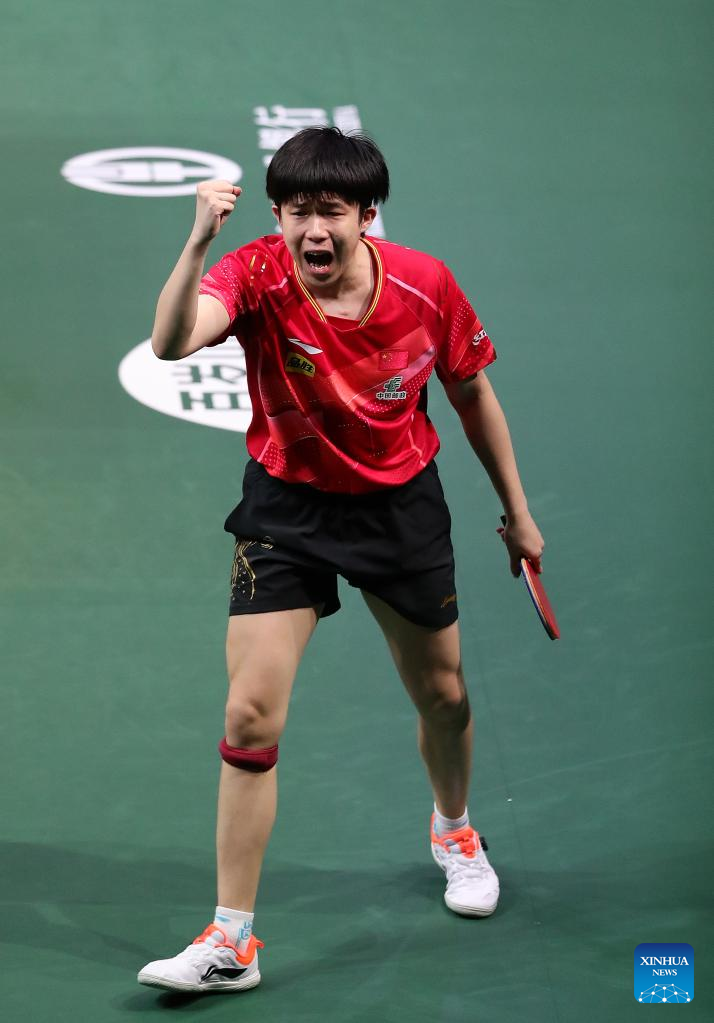
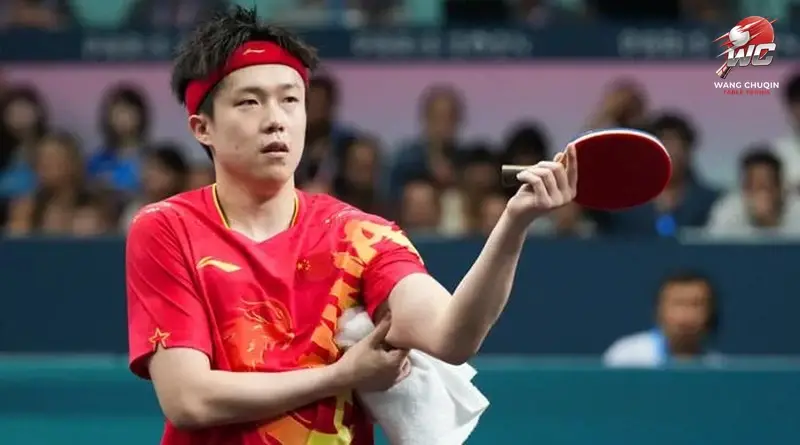
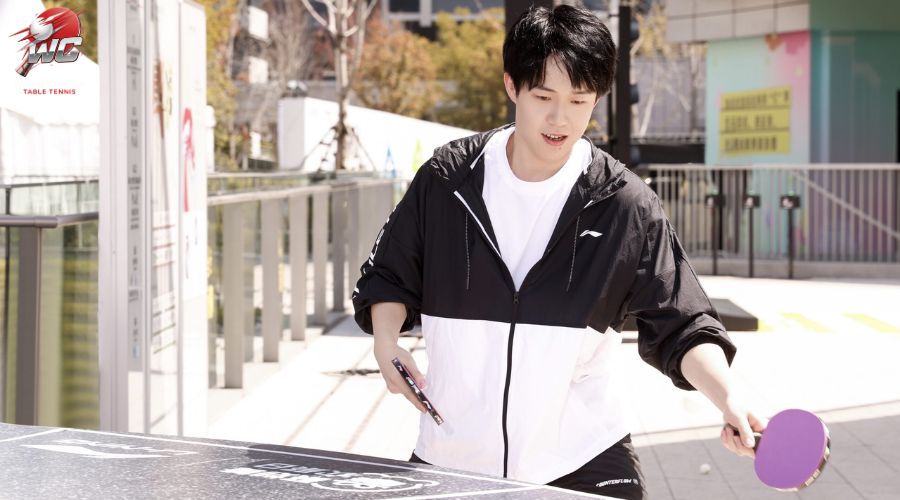
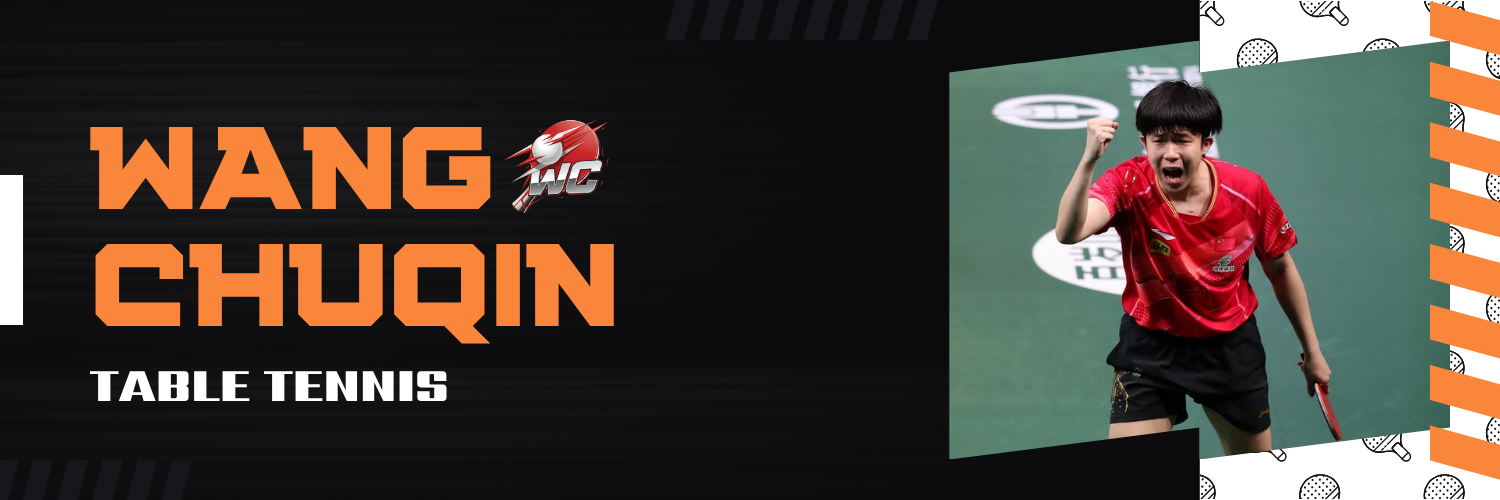
Wang Chuqin is one of modern table tennis’ sharpest left-handed attackers – known for his precision, calm intensity, and rising influence on the global stage.
Every great athlete begins with a story far quieter than the roar of stadiums or the flash of global recognition. For Wang Chuqin, that story starts with the environment that shaped him long before he held a paddle on the world stage. His early years formed the emotional, cultural, and psychological foundation that later allowed him to thrive under pressure. From here, the different layers of his background begin to unfold.
Wang Chuqin’s journey traces back to a childhood built on stability, discipline, and strong family values. Raised in a household where respect and responsibility mattered as much as ambition, he grew up learning the quiet habits that later defined his competitive character. His family was not shaped by sporting fame, yet they possessed a deep understanding of consistency and hard work-virtues they passed naturally onto him.
Even as a young boy, Wang showed an uncommon ability to focus. Relatives often recalled how he became absorbed in tasks with a level of concentration uncommon for his age. Whether practicing coordination drills, organizing his schoolwork, or mimicking athletes he admired, he demonstrated an early capacity for self-discipline. This wasn’t the fiery drive of someone desperate for achievement; instead, it was a calm, steady energy that pushed him to master small details day after day.
Although his family background was modest, their support was unwavering. They encouraged exploration, protected his curiosity, and created a home where effort mattered more than immediate success. Those values later became crucial in a sport where patience and psychological resilience often separate the good from the great. The emotional security from his upbringing gave Wang the confidence to endure failures without fear, to push forward without losing direction.
Living in a region with well-developed training facilities also helped shape his pathway. While the environment provided access to structured programs, it was the people-teachers, local coaches, and his own family-who formed the true ecosystem around him. They nurtured his talent with calm encouragement rather than pressure, allowing him to grow naturally into the sport rather than being forced into it.
By the time he reached adolescence, the influence of these early experiences had created a remarkably balanced foundation. Wang had discipline without rigidity, ambition without arrogance, and drive without fear of struggle-traits that would become the core of his identity as an elite athlete.
As he stepped into his formative years, several key elements began molding him into the competitor the world would one day recognize. One of the most notable was his innate emotional control. While many young athletes struggled with nerves or reacted impulsively during training, Wang possessed a natural calmness. He processed pressure not as a threat but as a signal to focus. This emotional maturity, rare at his age, soon became one of his defining traits on the court.
Another important aspect was his approach to learning. Wang embraced repetition without frustration, treating each drill as an opportunity for refinement rather than a chore. He instinctively understood the value of incremental progress-knowing that mastery in table tennis, perhaps more than in any other sport, comes from thousands of precise touches accumulated over time. Coaches quickly recognized that he did not require loud corrections or emotional push; he corrected himself, absorbed feedback quietly, and applied it with unusual consistency.
Physical attributes added another vital dimension. He developed fast reactions, excellent timing, and natural athletic rhythm-qualities that matched perfectly with the explosive demands of table tennis. But more importantly, he showed mental endurance during long practice sessions, maintaining focus despite repetition. This combination of physical agility and mental stability gave coaches confidence that he had long-term potential beyond youth levels.
Culturally, Wang grew up in an environment rich with stories of table tennis greatness. National idols were not distant figures-they were woven into the community’s collective memory. Instead of creating pressure, these stories fueled his imagination. He studied legendary players, adopted small aspects of their style, and gradually shaped his own identity through observation and practice.
By the time he took his first steps toward competitive training, the foundation was already set. He had the discipline of a seasoned competitor, the humility of a beginner who still loved the process, and the psychological balance of someone who understood that growth is never linear. Long before achievements defined his career, these early layers of character defined Wang Chuqin himself.
For a full journey from his early days to his breakthrough as a senior star, explore the complete Profile & Career section of Wang Chuqin’s story.
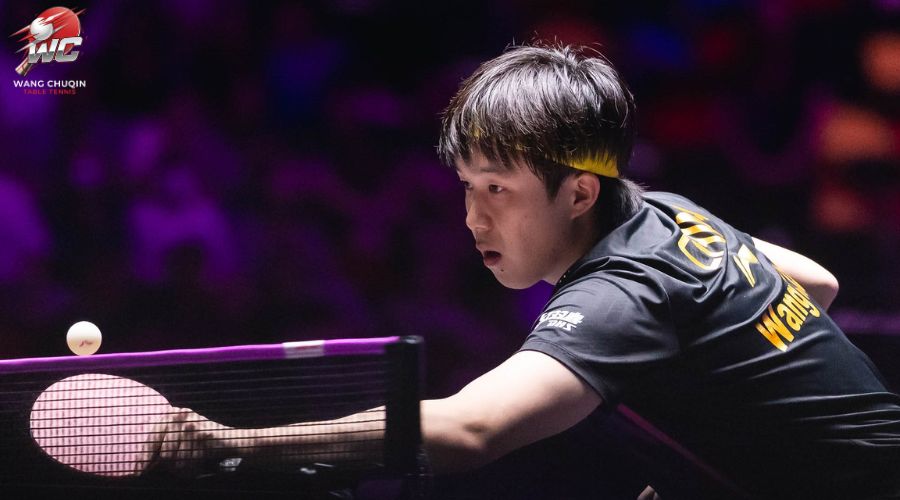
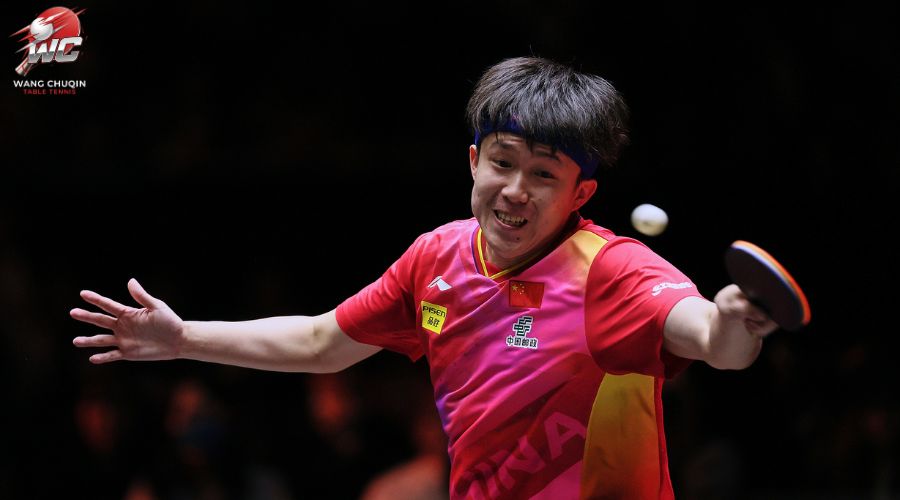
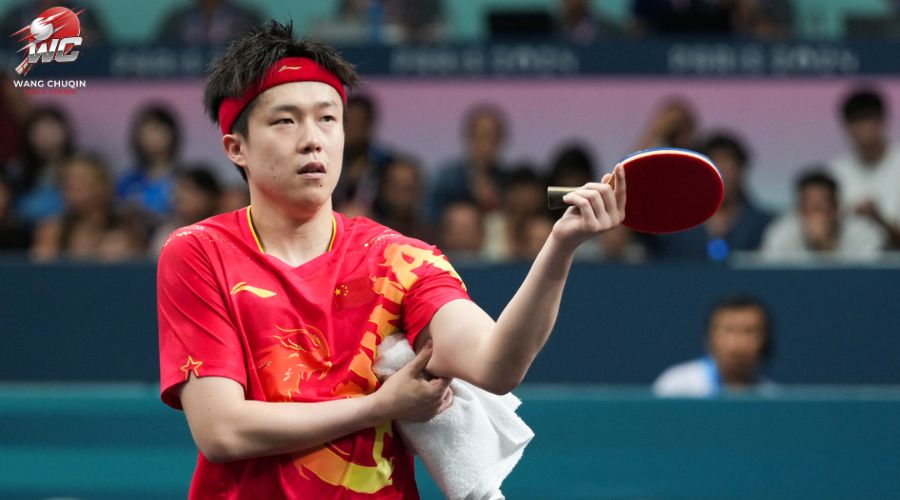
Every champion has a moment when raw potential begins turning into something sharper, something unmistakable. For Wang Chuqin, the path from a talented child to a rising force in table tennis was not built on sudden breakthroughs, but on a steady climb shaped by discipline, mentorship, and an early realization that he belonged among the sport’s elite. His rise was not accidental-it was constructed one deliberate step at a time. Those steps first became visible in the earliest stages of his training.
Wang Chuqin’s introduction to table tennis was grounded in simplicity. He did not begin with grand expectations or dreams of global glory. Instead, the sport appeared as a natural extension of the physical activities encouraged in his community. What started as an after-school hobby quickly became something different-something deeper-because Wang displayed an instinctive understanding of rhythm, timing, and movement.
Coaches noticed early that he had an unusual ability to absorb technical concepts. While many children struggled with footwork coordination or paddle control, Wang adapted quickly. He paid close attention to the smallest nuances: the spin on the ball, the angle of contact, the bounce off the table. What separated him even more was his fascination with the sport’s mental side. Even before he fully understood tactics, he watched his opponents closely, studying their habits and tendencies. For a child, it was rare-almost uncanny.
His first real structured training came when he joined a local youth program known for producing disciplined, technically-sound players. The program demanded long hours of repetition and correction, but Wang embraced it. He developed routines early: long warm-ups, focused drills, meticulous stretching, and consistent self-review. While other kids grew restless, he thrived within structure. It was in these early years that he learned the value of patience-something that would later define his game at the highest level.
Competition arrived naturally as he entered local tournaments. Even at small regional events, his approach stood out. He didn’t rely on physical gifts alone; instead, he approached matches like puzzles. He watched, adapted, and adjusted. It was the beginning of his competitive identity: analytical, composed, and strategically mature far beyond his age. These early tournaments did not yet place him on international radars, but within training circles, whispers about his future had already begun.
As Wang transitioned from local talent to recognized young prospect, his development years marked the period where he forged the qualities that would carry him into the elite ranks. These were the years defined by tougher training, stronger competition, and the first real tests of his resilience.
One of the most important milestones in his rise was entering a higher-tier youth academy, where the environment intensified and expectations grew. Here, he trained with athletes who shared his dedication, pushing one another through sessions that demanded technical precision and mental endurance. Under experienced coaches, he refined the core of his game: his explosive first-step movement, his disciplined shot selection, and his ability to control rallies through sharp, high-quality strokes.
Breakthrough moments soon followed. Competing in youth championships, Wang began defeating older, more experienced players. Coaches noted that his ability to stay composed in tight matches came from the emotional balance he developed during childhood. Instead of being intimidated by opponents with bigger reputations, he approached them with focus and respect, seeing every match as a learning opportunity.
During this period, he also experienced the inevitable setbacks-losses that stung, performances that fell short of his own expectations. Yet it was in these moments that one of his defining traits became clear: he never allowed disappointment to linger. He processed it, learned from it, and returned stronger. This ability to convert failure into progress separated him from others his age.
Gradually, his results began attracting attention beyond regional circles. National coaches took notice of his steady improvement, particularly his combination of physical explosiveness and mental structure. He wasn’t the loudest player. He wasn’t the flashiest. But he was relentlessly consistent-training with intent, competing with clarity, and improving at a pace that made his trajectory obvious.
Live results, upcoming fixtures and breaking updates on Wang Chuqin are continuously covered inside the News hub.
His early breakthroughs culminated in invitations to national development camps, a major turning point in his rise. For the first time, he trained within the orbit of the country’s strongest youth players. The intensity was overwhelming at first, but Wang adapted, just as he always had. Surrounded by high standards and fierce competition, he sharpened his identity: a left-handed attacker with precise timing, strong tactical sense, and remarkable poise under pressure.
By the end of this stage, Wang Chuqin was no longer just a promising youngster. He had become a name to watch-a rising force with a clear path toward elite competition.
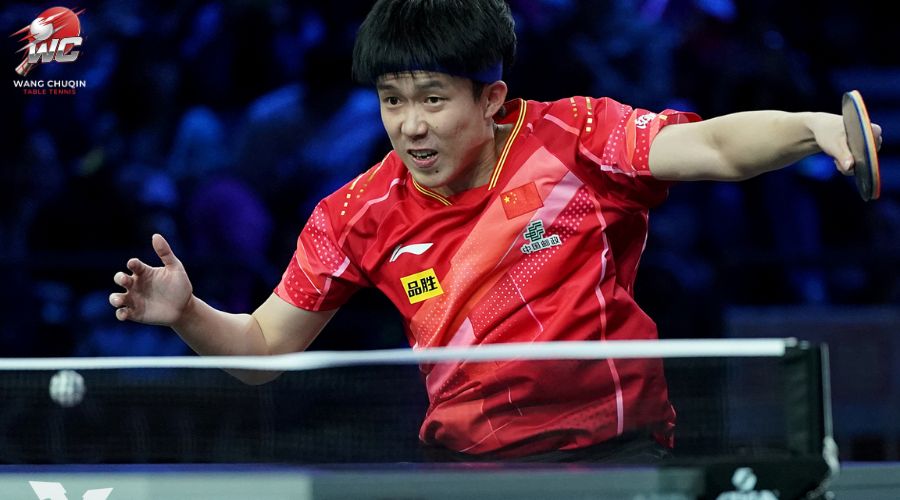
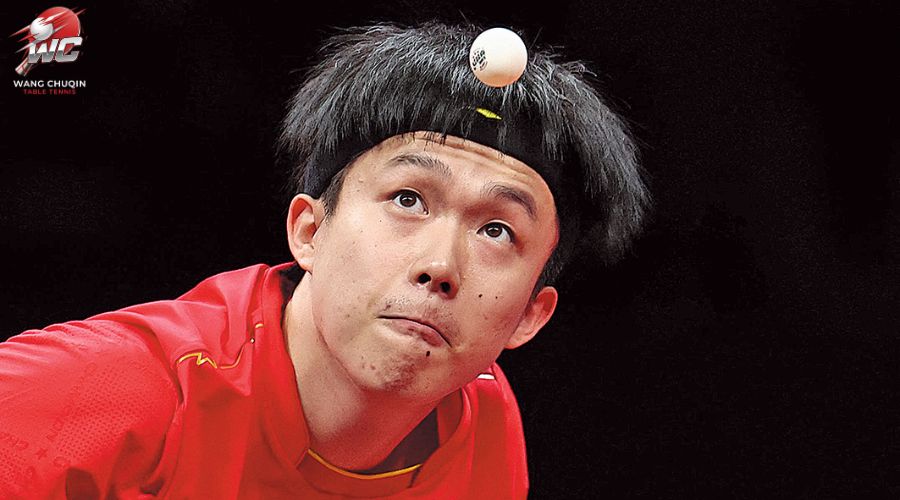
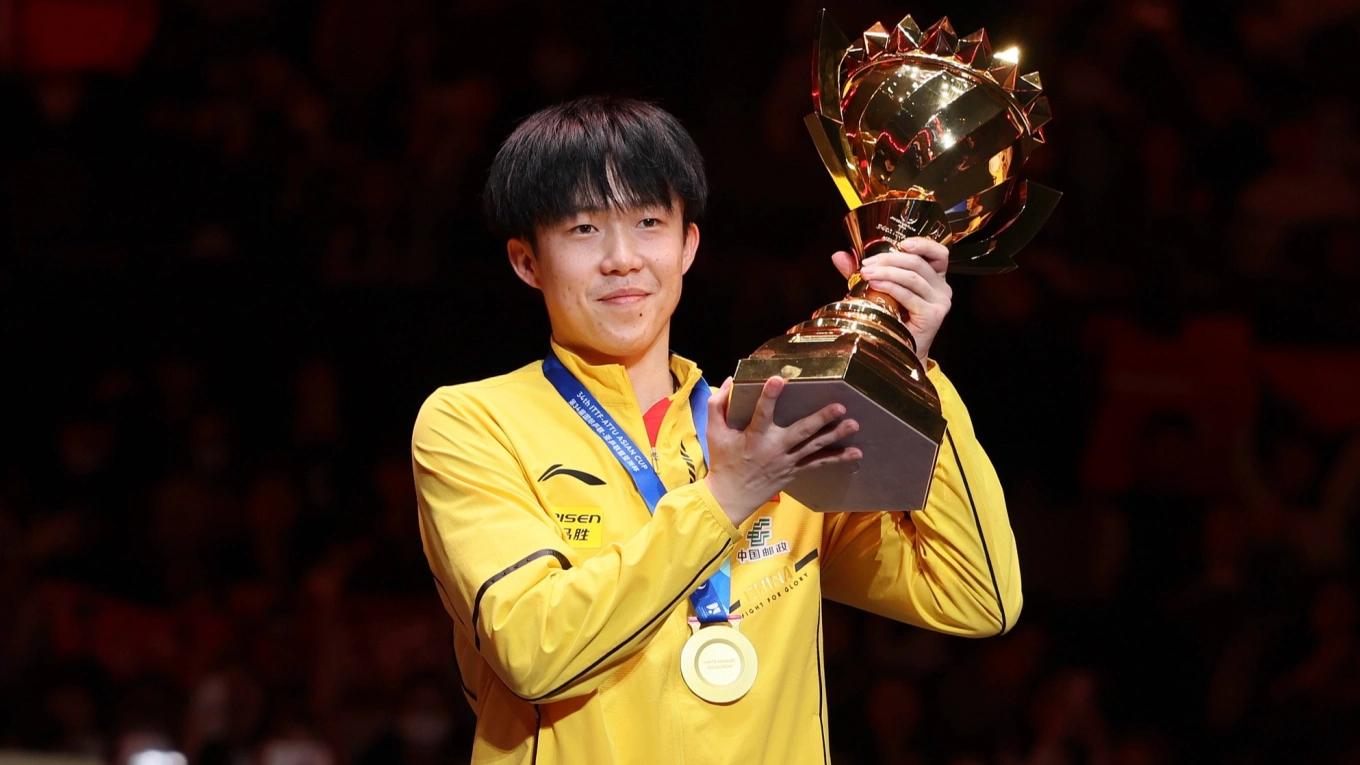
By the time Wang Chuqin moved beyond his developmental years, it had become clear that he was no longer just another promising talent-he was a player built for the highest levels of the sport. His transition into senior competition marked the true beginning of a career that would reshape expectations, challenge established hierarchies, and introduce a new kind of presence to the global table tennis scene. This new chapter of his journey unfolded through defining stages, each marked by tactical evolution, growing maturity, and moments that solidified his status among the world’s best.
The leap from junior to senior table tennis is often a brutal one. Many young stars dominate their age groups only to find themselves overwhelmed by the speed, complexity, and psychological weight of senior-level competition. What set Wang Chuqin apart was the way he embraced the shift-not as a threat, but as a natural progression of his craft.
Stepping into senior tournaments, he immediately encountered opponents whose experience stretched over a decade or more. Players who had mastered every angle, every spin variation, every tactical adjustment. But rather than being intimidated, Wang treated these matches like live training sessions against the finest mentors the sport could offer. He absorbed lessons quickly, identifying gaps in his patterns, refining stroke mechanics, and sharpening his decision-making at critical points.
One of his early breakthroughs came in national-level senior events, where he demonstrated that his speed and precision were no longer just “promising” but fully capable of challenging older, more decorated players. His performance earned him a place on the radar of national selectors, and soon he was competing in international senior circuits.
The pace was faster. The rallies were heavier. The physical and mental demands multiplied. Yet Wang adapted seamlessly-his calm demeanor and analytical style proved invaluable. He was never rushed, never panicked, always shaping points with a quiet confidence that belied his age.
His initial senior seasons became a collection of experiences that forged him into a complete player. Losses taught him humility and clarity. Wins reinforced the effectiveness of his evolving style. And difficult matches strengthened the competitive steel that would later define his biggest moments.
This transition period also saw major technical refinement. Coaches pushed him to expand his tactical versatility, improve his countering abilities, and weaponize his left-handed angles more efficiently. The transformation was gradual but unmistakable: Wang was becoming a senior-level athlete not just in skill, but in presence.
Every athlete has a handful of matches that crystallize their identity-moments when everything aligns and the world takes notice. For Wang Chuqin, these defining battles came on some of the sport’s grandest stages, where the stakes were high and the spotlight unforgiving.
His first significant statement came in major international senior events, where he stunned higher-ranked opponents with a blend of controlled aggression and cold-blooded composure. Analysts began to describe him as a “precision attacker,” someone who rarely wasted energy and always struck with intention. It wasn’t just the points he won-it was the manner he won them: with efficiency, quiet dominance, and a presence that felt far older than his years.
A pivotal moment in his rise came during a series of matches where he showcased the ability to dismantle top candidates through patience and explosive timing. These performances caught global attention and established Wang as one of the most dangerous emerging left-handers in the sport.
As he continued climbing the ranks, his reputation grew on two fronts:
His rising profile earned him invitations to major WTT events and world-level championships, marking the transition from “rising prospect” to “international contender.” With each high-pressure match, Wang sharpened the competitive instincts required to survive and thrive among the sport’s elite.
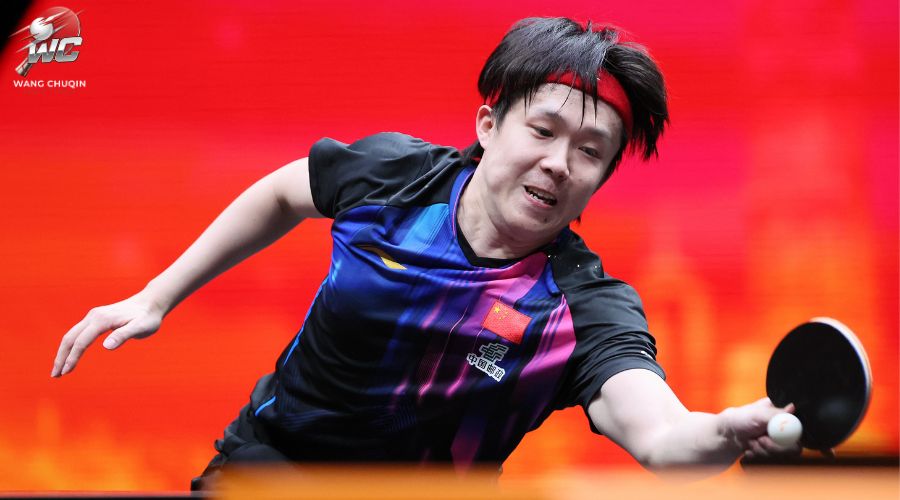
Throughout this period, he also began contributing significantly in team formats, showcasing his adaptability and reliability-traits highly valued in national squads. His performance in team events demonstrated leadership qualities, even at a young age, and reinforced the idea that he could anchor lineups in major competitions.
By the time he entered the sport’s top competitive tier, Wang Chuqin had become a name synonymous with consistency and strategic maturity. He was no longer simply climbing-he was arriving. And with every match, he carved deeper into the landscape of modern table tennis, establishing himself as a formidable figure capable of standing shoulder-to-shoulder with the era’s most dominant players.
His career trajectory, built through these defining battles, transformed him from a rising star into a respected force. And every step forward hinted that the best chapters of his story were still to come.
In the world of elite table tennis, style is more than aesthetic-it is identity. It defines how a player controls time, shapes rallies, manipulates rhythm, and forces opponents into uncomfortable territory. For Wang Chuqin, his playing style became the clearest expression of who he is as an athlete: disciplined, explosive, and relentlessly precise. His game is built on layers of structure, instinct, and technical refinement that reveal themselves fully only under the intensity of world-class competition. To understand Wang’s rise, one must understand the style that powers it.
From the first moment he stepped onto the professional circuit, it was clear that Wang Chuqin possessed a technical identity that allowed him to stand out in a field overflowing with talent. As a left-handed player, he naturally brought disruptive angles into rallies, but what truly distinguished him was how intelligently he used them. He didn’t rely on wild swings or unpredictable bursts-his style was built on clean technique, sharp timing, and a deep understanding of space.
His forehand quickly became one of the defining pillars of his arsenal. The stroke was not simply powerful; it was precise, driven by clean mechanics and explosive acceleration through contact. Opponents often struggled with the way his forehand delivered late-rising topspin that gripped the table and kicked aggressively off the surface, especially when directed cross-court into a right-hander’s backhand.
His backhand added a different level of complexity. Instead of using it purely as a defensive tool or a bridge to switch patterns, Wang wielded it as an active weapon. Short backhand counters, compact flicks, and sudden changes of pace allowed him to take time away from his opponents. In tight, fast exchanges over the table, his backhand was often the shot that broke rhythm and tilted rallies in his favor.
Another key element of his game is his footwork. Wang moves lightly but decisively, always positioning himself for balanced contact. Unlike athletes who rely on raw speed to compensate for errors, he uses anticipation and efficient movement to arrive early and strike with control. This ability is particularly clear when transitioning from defensive retrieval into sudden attack-an area where many rising players struggle.
His serve-receive game also stands out. Wang reads spins exceptionally well, allowing him to neutralize or redirect serves with minimal hesitation. He often turns receive situations into immediate offense, using sharp banana flicks or tight touch shots to limit his opponents’ options.
Together, these elements form the core of his technical identity: a left-handed player who blends aggression with discipline, precision with intelligence, and explosiveness with balance.
As Wang progressed from youth circuits to the global stage, his style didn’t simply mature-it evolved. The characteristics that defined him early on remained, but they became sharper, more efficient, more ruthless. That evolution didn’t happen overnight; it was shaped through countless matches, difficult lessons, and the willingness to rebuild parts of his game when necessary.
In his early development, Wang’s style was built primarily around speed and instinct. His natural coordination and fast reactions allowed him to dominate rallies against players his age. But at the senior level, instinct alone wasn’t enough. Top professionals could absorb pace, redirect spin, and expose small technical gaps. Recognizing this, Wang began refining the architecture of his game.
One of the most significant areas of growth was his shot selection. Instead of relying on raw power, he developed the patience to construct points intelligently. He learned when to accelerate, when to apply pressure, and when to absorb pace to provoke errors. This newfound tactical awareness transformed him from a talented attacker into a multidimensional threat.
His short game also improved dramatically. In modern table tennis, rallies are often decided before the third ball even lands, and Wang mastered the subtleties of tight spin control. He learned to vary touch, disguise intentions, and manipulate opponents into giving him predictable openings-a skill that separates great players from merely good ones.
Additionally, his mental presence became sharper. Early in his career, he sometimes relied on momentum rather than command. As he gained experience, he learned to reset between points, dictate tempo, and deny opponents the psychological space needed to build confidence. This evolution was visible in tense matches where he stayed composed even when trailing, turning pressure moments into opportunities.
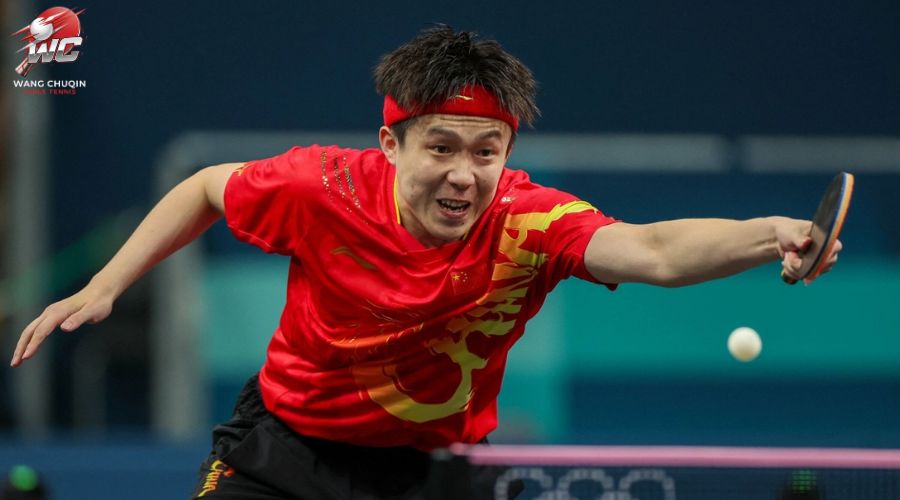
Physically, he enhanced his explosiveness without sacrificing efficiency. Strengthening his core, refining his stance, and improving recovery footwork allowed him to sustain peak performance through long matches and multi-day tournaments.
By the time he reached the sport’s elite tier, Wang Chuqin’s playing style had become a complete ecosystem: powerful yet controlled, tactical yet instinctive, aggressive yet balanced. It is a style that reflects not just how he plays-but who he is. A player who sees the game not as chaos to survive, but as a dynamic structure to command.
More match data, trend charts and tactical breakdowns of his game are available in the Stats & Analysis section.
Great athletes are often defined not only by their talent, but by the moments when that talent becomes undeniable. For Wang Chuqin, his achievements are more than a list of titles – they trace the evolution of a player who rose from promising prospect to one of the most formidable competitors of his generation. His accomplishments reveal not just victories, but the competitive temperament and relentless precision that carried him through the highest levels of the sport. As his journey advanced, certain milestones emerged as turning points.
As Wang stepped onto senior stages, he showed an immediate refusal to settle for gradual growth. Instead, he aimed directly at the sport’s biggest competitions – and delivered. His championship highlights capture both his technical brilliance and his uniquely calm match temperament.
Before listing these achievements, it’s helpful to understand the defining qualities he displayed in high-stakes tournaments:
These qualities allowed him to produce breakthrough performances across formats and continents.
Below is a clearer summary of his standout championship moments:
|
Competition Type |
Breakthrough Highlights |
Why It Mattered |
|
International Singles Events |
Claimed major titles through tight, high-quality attacking play |
Marked the arrival of a technically mature senior contender |
|
Team Championships |
Delivered crucial wins for national squads in pressure-heavy matches |
Proved his reliability and leadership potential |
|
Knockout Tournaments |
Showed poise in eliminating higher-ranked veterans |
Signaled his readiness for world-class competition |
|
Elite Finals Appearances |
Edged out top-tier rivals in razor-thin scorelines |
Demonstrated tactical clarity and mental toughness |
These victories became cornerstones of his professional identity – moments when the global table tennis community realized that Wang wasn’t just rising; he was reshaping the landscape.
consistency. And consistency is the metric where Wang Chuqin stands apart.
Before listing the milestones, it’s important to understand the traits that supported his rise through the rankings:
Thanks to this foundation, his ranking trajectory climbed sharply and sustainably.
Here is a condensed overview of his key milestones:
These achievements were not isolated flashes; they formed a pattern that confirmed Wang’s long-term staying power.
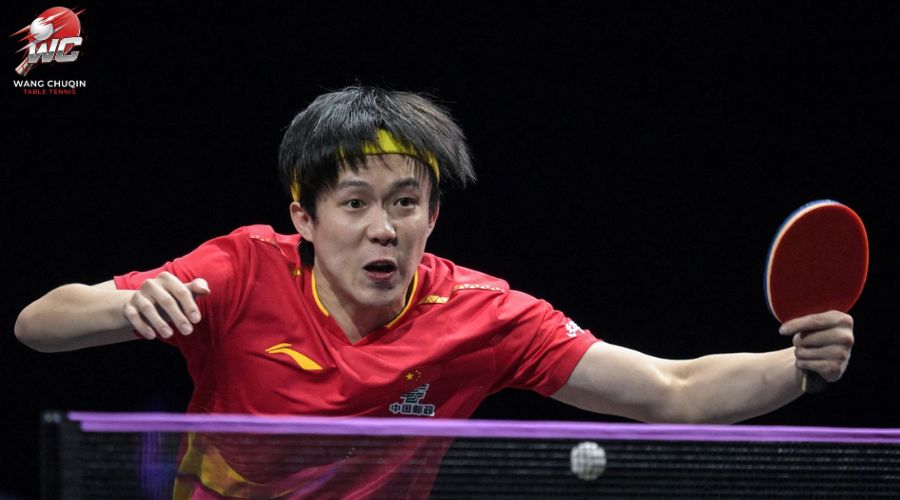
Taken together, these rankings and milestones illustrate a player whose career was not built on luck, momentum, or a single moment of brilliance – but on purpose, precision, and relentlessly intelligent growth.
In modern table tennis, financial success is shaped by far more than prize money. For athletes like Wang Chuqin, earnings come from a combination of international tournament results, national team compensation, sponsorship deals, and a rising commercial profile across Asia. His financial trajectory mirrors his competitive rise: steady, strategic, and marked by pivotal breakthrough moments. As his presence grew on the world stage, so did the value associated with his name – both in domestic markets and global sporting circles. From this foundation, two key streams define his earning profile.
Prize money is the most straightforward component of any elite athlete’s earnings, and for Wang Chuqin, it represents the foundation of his financial growth. Each deep run in major events – from WTT Champions to continental championships – contributes significantly to his yearly totals. Table tennis may not yet match the staggering payouts of tennis or golf, but top-tier events have expanded dramatically in recent years, and Wang has consistently positioned himself among the leading earners.
His ascent to the elite tier brought him into tournaments where champions often claim six-figure prize checks. In multi-event tours, semifinal and final finishes also add substantial amounts, meaning Wang’s annual income from prize money alone reflects his consistency at the top level. Unlike many emerging players who experience volatile results, Wang stabilizes his earnings with reliable performances across formats: singles, doubles, and team competitions.
Alongside international prizes, his role on the national team contributes a significant and steady salary. China’s table tennis program is known for compensating its top athletes well, especially those who contribute to victories in global championships and Olympics. National team members receive monthly stipends, performance bonuses, training support, and additional incentives tied to medals and titles. Winning in team competitions – a domain in which Wang has repeatedly excelled – brings additional awards structured to recognize contributions to national success.
Moreover, Chinese sports agencies often allocate financial support for athletes who maintain top-tier rankings, adding another layer of income linked directly to performance and consistency. Given Wang’s stable presence among the world’s top players, these bonuses play a substantial role in his yearly financial picture.
While exact numbers vary by tournament and program structure, the combination of high-level prize money and national team compensation places Wang among the stronger earners of his generation. It forms the bedrock of his financial success, reinforcing the idea that consistent excellence remains the most dependable source of income in elite table tennis.
Prize money may build the foundation, but sponsorships build the ceiling. As Wang Chuqin transitioned from rising star to international contender, brands began to recognize his value – not only as an athlete, but as a symbol of precision, discipline, and next-generation talent. His left-handed style, clean technique, and calm competitive presence make him highly marketable in a sport where identity and personality often shine subtly rather than loudly.
Sport-equipment manufacturers were among the first to invest in him. Elite players in China often partner with major brands for rackets, blades, rubbers, and apparel deals – and these agreements can become highly lucrative. As Wang climbed the rankings, the commercial leverage of his name grew proportionally. The visibility he gained from competing in marquee events further amplified his appeal, giving equipment brands an athlete who represented both performance excellence and the sport’s evolving future.
Beyond equipment, broader sponsorship interest began to emerge. Modern table tennis stars increasingly sign with lifestyle brands, tech companies, beverage sponsors, training technology firms, and digital platforms. These partnerships reflect the sport’s growing influence, especially in Asia where fan engagement is exceptionally strong. Wang’s measured, mature public image aligns well with brands seeking ambassadors who project reliability and professionalism.
His social media presence also reinforces his commercial value. While he doesn’t chase flashy publicity, his following – built organically through respect for his performances – translates into significant digital influence. Sponsors recognize that athletes who combine authenticity with competitive success often produce stronger long-term brand impact than those who rely on short-lived viral attention.
Financial growth for Wang also comes from long-term stability. Unlike athletes who experience spikes of fame without a steady competitive foundation, his consistent ranking ensures dependable visibility. This consistency helps secure multi-year sponsorship agreements that guarantee income regardless of tournament fluctuations.
As he continues to compete at the highest level, his earning potential is expected to rise significantly. Should he claim major global titles or dominate across multiple seasons, his brand value would naturally expand into international markets. The combination of competitive success, strong personal branding, and the global expansion of table tennis ensures that Wang’s financial trajectory remains upward.
Taken together – prize money, national team compensation, sponsorships, and rising brand recognition – Wang Chuqin’s earnings reflect a career built not only on talent, but on the sustained excellence that attracts long-term commercial trust. His financial profile mirrors his playing style: composed, consistent, and always moving forward with intention.
Updated figures on his income, sponsorships, gear deals and long-term valuation can be found in the Transfer & Market section.
Behind the forceful rallies, tactical precision, and competitive sharpness of Wang Chuqin, there exists a personality shaped by discipline, stillness, and a quiet confidence rarely seen in athletes of his age. The public often sees the competitor – focused eyes, rapid footwork, and an almost mechanical consistency – but off the table, Wang reveals a side that is thoughtful, grounded, and shaped by habits that support both performance and personal growth. To understand the full picture of the athlete, it is essential to look at the person beneath the jersey.
What strikes those around Wang Chuqin most is not his intensity, but his calmness. Unlike many rising stars who carry the weight of expectations heavily, Wang moves through his training environment with a quiet, measured energy. He rarely raises his voice, seldom shows frustration, and almost never loses focus. Teammates often describe him as “steady,” a player who maintains equilibrium in situations where others fluctuate emotionally.
This emotional balance is not accidental – it is part of his daily character. Wang builds routines around him that emphasize stability and clarity. His mornings often begin with simple, methodical warm-up movements before practice. During training sessions, he approaches drills with the same seriousness as he approaches match preparation, reinforcing the idea that consistency is built in the small details, not the large moments.
Off the court, Wang is known for having an introspective personality. He spends quiet time reviewing match footage, studying opponents, and making notes about technical adjustments. While some athletes thrive on external motivation, Wang finds drive internally – through reflection, analysis, and a desire to refine himself as both a player and individual.
This introspective nature also shapes his relationships. He is polite, respectful, and often thoughtful in how he interacts with coaches and teammates. He listens more than he speaks, absorbs advice quickly, and responds with actions rather than emotional reactions. This has earned him respect across training centers and national team environments.
Another interesting aspect of his personality is his minimalist lifestyle. Wang rarely indulges in extravagance, preferring simplicity that keeps him grounded. As his fame and financial success grew, he did not shift toward a celebrity lifestyle – he remained focused on training, recovery, and personal development. His social media presence mirrors this mindset: clean, understated, and centered on his athletic journey rather than personal showmanship.
In many ways, his personal habits resemble those of elite athletes in endurance or precision-based sports – structured days, deliberate routines, intentional rest, and a constant awareness of physical and mental balance. These habits support not only competition but the longevity required to maintain world-class status.
Away from the spotlight of elite tournaments, Wang Chuqin leads a life that reflects both humility and focus. Though he has achieved remarkable recognition, he avoids excess media attention, preferring a lifestyle that allows him to stay connected with family, training communities, and the routines that shaped him. This grounded approach has become part of his appeal – a star who rises without theatrics.
Off the court, Wang values privacy. He is not frequently seen in celebrity events or entertainment circles, choosing instead to prioritize recovery, training cycles, and time with people close to him. This doesn’t mean he is inaccessible; rather, he appears selectively – whether supporting youth programs, engaging in national team events, or connecting with fans through controlled platforms. Every appearance feels meaningful because it is deliberate.
His public image, therefore, is shaped less by outspoken personality and more by discipline, reliability, and integrity. Fans see him not as an entertainment figure, but as a professional – someone who represents the sport with dignity. This image has made him especially popular among young athletes, who view him as a role model for balancing ambition with humility.
Wang also invests in understanding the game from outside perspectives. He watches matches from other top players, analyzes evolving trends in spin mechanics, and studies how shifts in technology affect modern play. This off-table intellectual engagement contributes greatly to his growth, giving him a deeper understanding of the sport that extends beyond physical talent.
In his personal time, he maintains hobbies that help him decompress. Whether it is music, reading, or quiet time with family, Wang uses these activities to reset mentally after demanding tournaments. His approach to recovery is holistic – emphasizing sleep, mental clarity, and maintaining emotional balance.
Despite his quiet personality, he commands remarkable loyalty from fans. Part of this is due to his style of play – clean, precise, powerful – but another part comes from the authenticity he projects. He doesn’t chase attention; instead, attention finds him. His calm demeanor and work-first ethos give him an understated charisma, making him a compelling figure in the modern era of table tennis.
Ultimately, Wang Chuqin’s personal life reflects the same themes that define him as a player: discipline, intention, and balance. His identity off the court strengthens every aspect of his competitive performance, shaping a complete athlete whose success is supported by values as much as by skill.
Additional stories about his routines, habits and off-court identity are featured in the Lifestyle & Personal section.
When examining the full arc of Wang Chuqin’s journey – from early foundations to elite competition, from technical evolution to rising legacy – a consistent theme emerges: nothing about his ascent is accidental. Every chapter reflects purpose, discipline, and a commitment to excellence that stretches far beyond the table itself. As his story continues to unfold, two ideas capture why he stands out in the modern era of the sport.
The story of Wang Chuqin is not simply the story of a gifted athlete succeeding in a demanding sport – it is the story of a competitor who built himself piece by piece. His early life instilled emotional steadiness. His rise through youth circuits sharpened his discipline. His transition to senior competition proved he had the resilience and competitive courage to challenge the world’s best. And his achievements showed that talent becomes greatness only when guided by precision and consistency.
Across every stage of his development, Wang demonstrated an ability to embrace structure without losing creativity, to maintain calmness without losing intensity, and to adapt to challenges without sacrificing identity. This balance is rare in modern sports, where pressure, scrutiny, and expectation can derail even the most gifted athletes. Instead, he converted these forces into motivation, shaping a career defined by clarity and long-term focus.
For the next generation of players, Wang Chuqin represents a blueprint: proof that greatness is not found in dramatic leaps, but in deliberate steps. His approach to training – rooted in consistency, humility, and technical discipline – offers an alternative to the idea that only explosive prodigies can rise. He shows that athletes who move quietly, think deeply, and build steadily can reach the same heights as those who thrive on spectacle.
His legacy, still in motion, already speaks to broader values in sport. It highlights the importance of emotional control, of respecting the process, of building a foundation strong enough to withstand pressure. Young athletes see in him a model of how to grow responsibly, how to navigate competition with integrity, and how to remain grounded while rising through global rankings.
Most importantly, Wang’s story matters because it is far from finished. He stands in the middle of a career with enormous potential – a path that could redefine his generation and influence those who follow. As the sport continues to evolve, his presence ensures that the standards of discipline, precision, and respect for the craft remain at the center of elite table tennis.

Wang Chuqin Asian Cup 2026 champion honors were secured in a breathtaking display of modern [...]

As the HITCLUB, Wang Chuqin is tasked with steering the brand’s narrative toward a future [...]
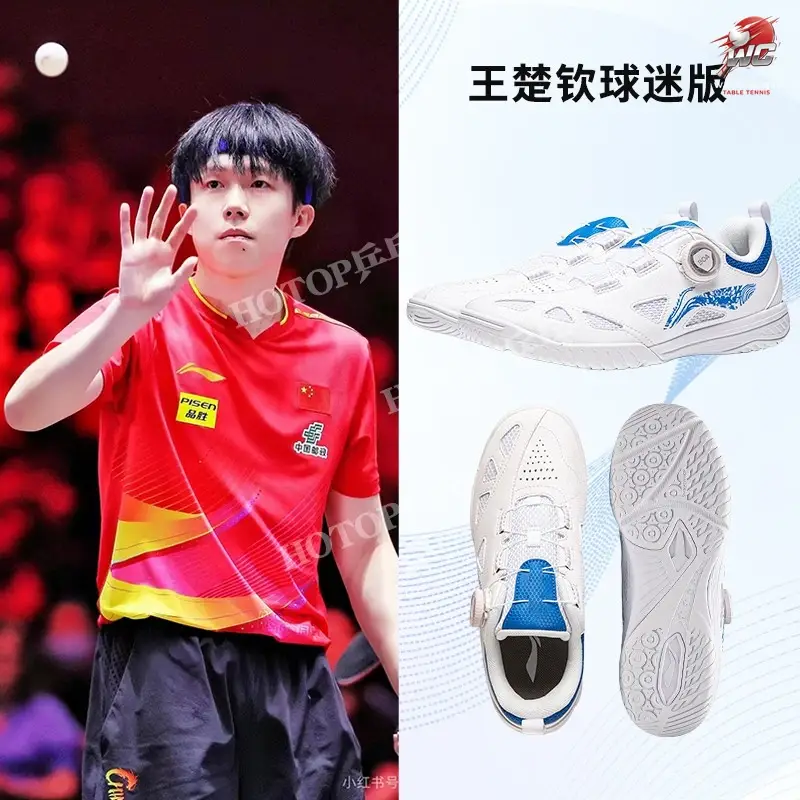
Wang Chuqin is now recognized not just for his table tennis skills but also for [...]
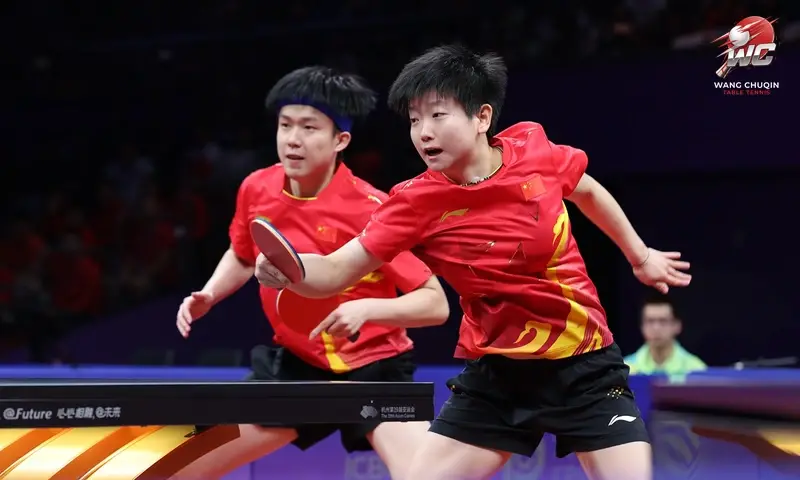
When it comes to the personal life of Chinese table tennis sensation Wang Chuqin, rumors [...]

The ongoing competition between Wang Chuqin and Fan Zhendong has captured the attention of table [...]
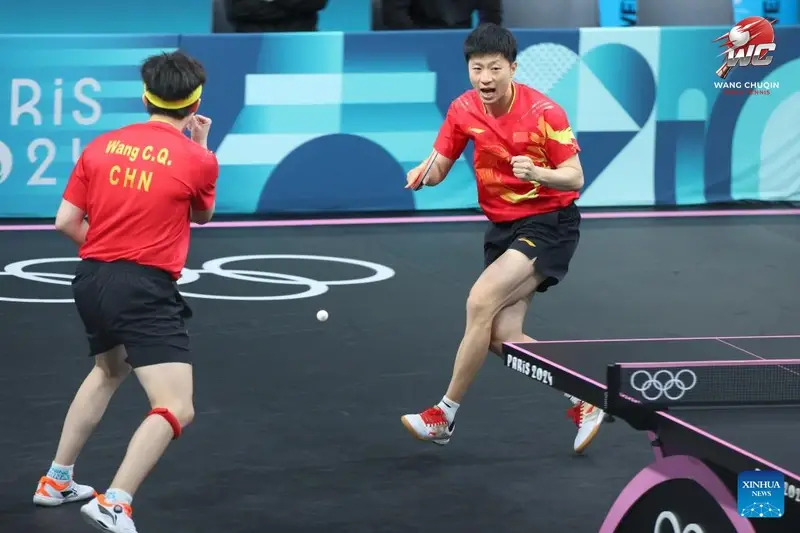
In the fast-evolving landscape of Chinese table tennis, the competition between Wang Chuqin and Ma [...]
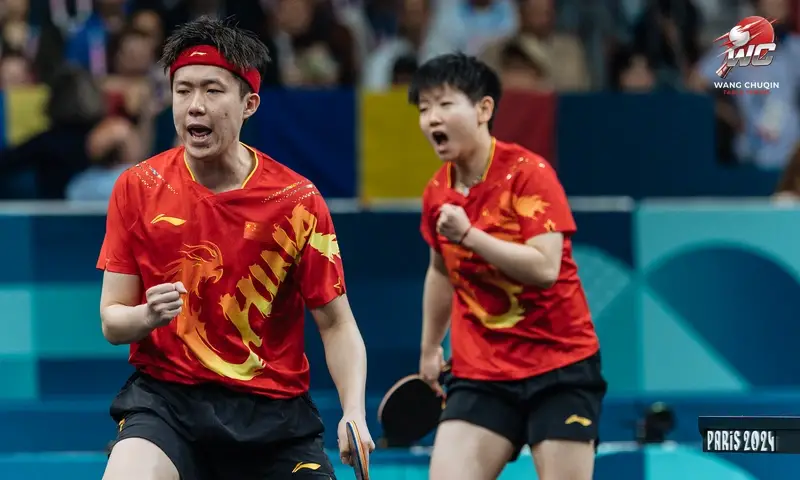
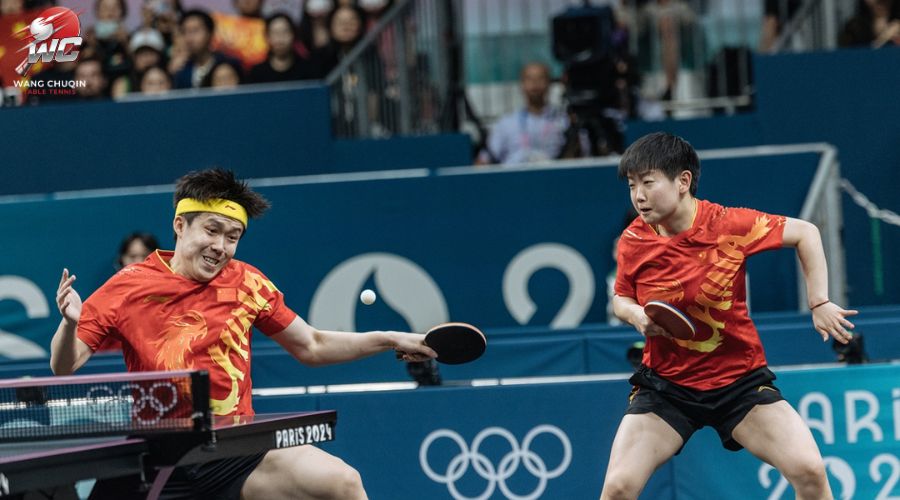
Wang Chuqin and Sun Yingsha’s mixed doubles team represents excellence in table tennis. Their accomplishments [...]
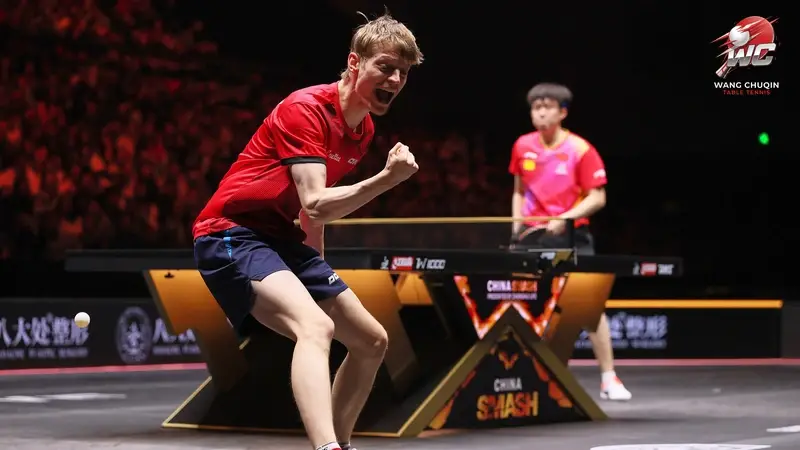
The rivalry between Wang Chuqin vs Truls Moregard has captured the attention of table tennis [...]